Home » Our work » Campaigns » Silent Voices » Shared Voices » Laura
Laura
There is a different way of life
Growing up with a parent affected by alcohol addiction shaped my childhood and continued to influence my adult life. Today, through my own experience and my work supporting young people, I also see the importance of recognising children’s needs and helping them build a different future.
My mother could be caring and enjoyable company when sober. When she became aggressive after drinking, however, I felt unsafe. As a child, it was difficult to understand these different experiences of the same parent.
I felt alone and was ashamed to speak about what was happening at home. I had been told many times to “shut up,” and so I remained silent. At the time, I found it difficult to imagine that other children might be experiencing something similar.
Born into a life I didn’t choose
Alcohol was already present in my family before I was born. My mother continued drinking during her pregnancy with me. My father tried to persuade her to stop, but her drinking continued. He eventually left the relationship and remained an important source of support in my life.
My mother later found a partner who also struggled with alcohol. When I was nine, my younger sister was born. I became her protector and took on caregiving responsibilities that would ordinarily belong to adults.
I loved my sister and wanted to stand up for her. I would do so again. At the same time, I was still a child. Neither of us had chosen those circumstances.
Some parents if my new friends stopped welcoming me into their homes when they learned about my mother’s drinking. The mother of my closest friend responded differently. She welcomed me and cared for me. Her home, along with the time I spent with my father, gave me a safe place to be.
I remember pouring bottles of wine down the toilet because I was angry and hoped it might make my mother stop. Looking back, I recognise how much responsibility I felt for something I could not control.
I remember pouring bottles of wine down the toilet because I was angry and hoped it might make my mother stop.
What I carried into adulthood
Later, I began to recognise patterns of codependency in my own life. I struggled to trust other people and my own judgement. I had difficulty finishing things, following through on commitments and setting boundaries. Often, I did not recognise where my responsibilities ended and someone else’s began.
I compared myself with people who had grown up in relatively healthy families—not perfect families, but ones without addiction. I felt I had a great deal to learn about caring for myself and approaching everyday life.
These difficulties affected my self-care, relationships, approach to money and overall attitude towards life. I had become accustomed to focusing on other people’s needs without recognising my own. I sometimes withdrew from relationships without understanding why. Today I do. As closeness was something I didn’t know, I was afraid of it.
Recognising these patterns helped me understand what I needed to work on and where I needed support.
Learning to build a different life
Faith in God became an important part of my life. Step by step, I began learning about love, acceptance and forgiveness, including how to acknowledge both my own difficulties and my mother’s.
Her behaviour had significantly affected my life. Learning more about her own story helped me understand her and, in time, forgive her. Understanding her did not mean dismissing the impact of what had happened. For me, forgiveness – to let go, became a meaningful part of moving forward.
I also received support from gym trainers, a financial counsellor, therapists, mentors and loyal friends. Different people helped me with different parts of my life, from caring for my health to managing practical responsibilities and understanding my relationships.
With that support, I gradually began to build a life I wanted to live.
Understanding her did not mean dismissing the impact of what had happened.
The support I wish every child could find
Nowadays, I help young people who are where I once was, so I have both perspectives. And I see that parents sometimes stop them from getting help so that nobody finds out, or because they don’t recognise that their children are struggling.
My dream is that there should be a place where young people from these families can come and find everything in one place: trainers, mentors, therapists, someone who can help with daily routines, teach them how to manage money, and help them learn self-care. Especially a place where they can rest and relax.
But the main point is that they should be able to take the first step towards help even when their parents do not acknowledge the problem or agree that they need support. A place where they can ask questions, speak to someone, and learn what help is available. I understand that therapy and other services have their own consent and safeguarding requirements. What I mean is that a parent’s refusal should not leave a young person with nowhere to turn.
Someone should notice the child who gets good grades and seems independent, too. A child should know who they can confide in and what will happen after they do. Their own needs should not disappear while everyone focuses on the parent’s addiction. And support should come early, not only when they can no longer cope.
Sometimes, if we don’t understand and haven’t had that experience, we might not even notice these children. They might seem exceptionally responsible, polite, quiet or caring.
Why am I saying this? Because when I was growing up in a family affected by addiction, I had no idea what confidence, self-love or self-care meant. And these are such important foundations for a healthy life.
One of the most important things, in my view, is to talk about these experiences more openly and publicly. Many people are still unfamiliar with codependency and its effects. I want those who experience it to know that they do not have to feel ashamed.
One of the most important things, in my view, is to talk about these experiences more openly and publicly.
What living differently means to me today
Not being afraid to create. Not being afraid to be strong, even if that strength came from pain. Learning to trust. Taking care of my health as a whole—spirit, soul and body.
Moving regularly. Eating nourishing food so that I have energy for life. Travelling, exploring, discovering new things. Living in the present and enjoying the little things.
That is what I am learning to do today. So yes, there is a different way of life beyond the one we knew growing up with a parent affected by addiction.
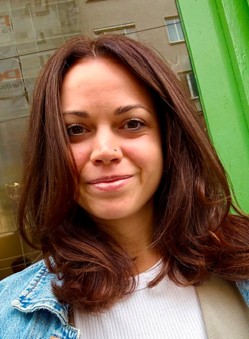
My name is Laura Berková. I am from Slovakia and I create life I want to live. I own tiny house for rent where I create peaceful place for others to take a rest. I on my own needed something like that when I was younger. And the best part? I help to young people like I was to live different life too.
Laura Berková shares more of her story in her memoir, Rock Bottom.