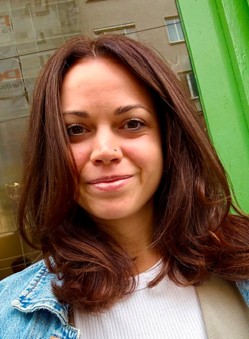
Guest blog by Laura Berková
There is different way of life
Growing up with an addicted parent is like hell on earth, I can tell you. Especially when your parent becomes aggressive when drinking. In those moments, it doesn’t matter if the parent is a sweetheart deep down or so much fun when sober. You suddenly feel so much pain that you forget all of that. You feel like there is nothing worse, nobody understands, and you are alone.
Why? Because I couldn’t believe someone else could experience such a thing—not because of pride, but because I was so ashamed to speak. I was told many times to “shut up,” and so I did.
Born into a life I didn’t choose
I was born into that.
Mum didn’t want to stop drinking even when she was pregnant with me. So I was born into a family where alcohol already had a place. Dad tried to convince her, but nothing changed, so he had to leave to be able to help me better.
She later found a partner who also struggled with alcohol, and my younger sister was born when I was nine. I became everything in one: sister, protector, mother, father, and so on. I love her, so I wouldn’t do anything other than stand up for her, and I would do it all over again if I had to. The reality is that I didn’t choose this life. Neither of us did. We were both born into it.
I was turned away from so many homes because the mothers of children I hoped to be friends with found out I came from a home with an alcoholic mum. Except for one: the mother of my closest friend, who cared for me so much. And that saved me in some way. I had a safe place to spend time—with my dad as well, of course.
So yes, I have been there. I used to pour bottles of wine down the toilet because I was full of anger and I thought she might stop.
I used to pour bottles of wine down the toilet because I was full of anger and I thought she might stop.
What I carried into adulthood
Later on, I realised I was codependent and had so many difficulties myself. As children, we learn through what we see, and we repeat it. I carried patterns from my childhood into my own life: distrust of other people and myself, difficulty finishing things, keeping my word, and setting boundaries. Actually, those boundaries didn’t even exist.
At some point in my life, I realised I had to work so hard to be “normal,” like other people I knew from relatively healthy families—not perfect, but without addiction.
It spilled into every area of my life: self-care and the way I looked after myself; my needs, which I hadn’t even had time to notice; relationships I was running from without understanding why; my mindset around money; and my overall attitude towards life.
Learning to build a different life
Then I found faith in God, and I started to learn, step by step, what it looks like to live, to love, and to forgive. To accept my broken places and Mum’s too. Did her behaviour destroy a big part of my life? Yes. But she had her own story, and that helped me understand her and forgive even more. In the end, that helped me more than her.
And so I started to build a life I wanted to live, step by step. I had gym trainers, a financial counsellor, therapists, mentors, and loyal friends who weren’t afraid to stay and love me, including the broken parts of me. Simply put: SUPPORT.
But she had her own story, and that helped me understand her and forgive even more. In the end, that helped me more than her.
The support I wish every child could find
Nowadays, I help young people who are where I once was, so I have both perspectives. And I see that parents sometimes stop them from getting help so that nobody finds out, or because they don’t recognise that their children are struggling.
My dream is that there should be a place where young people from these families can come and find everything in one place: trainers, mentors, therapists, someone who can help with daily routines, teach them how to manage money, and help them learn self-care. Especially a place where they can rest and relax.
But the main point is that they should be able to take the first step towards help even when their parents do not acknowledge the problem or agree that they need support. A place where they can ask questions, speak to someone, and learn what help is available. I understand that therapy and other services have their own consent and safeguarding requirements. What I mean is that a parent’s refusal should not leave a young person with nowhere to turn.
Someone should notice the child who gets good grades and seems independent, too. A child should know who they can confide in and what will happen after they do. Their own needs should not disappear while everyone focuses on the parent’s addiction. And support should come early, not only when they can no longer cope.
Sometimes, if we don’t understand and haven’t had that experience, we might not even notice these children. Because they might be too responsible, too polite, too quiet, too loving.
Why am I saying this? Because when I was growing up in a family affected by addiction, I had no idea what confidence, self-love, or self-care meant. And these are such important foundations for a healthy life.
And one of the most important things I see, is to talk about it more and publicly (lot of people still don’t know about codependency issues), so the ones who experience it don’t have to be ashamed. Healing starts with speaking loudly.
Healing starts with speaking loudly.
What living differently means to me today
Not being afraid to create. Not being afraid to be strong, even if that strength came from pain. Learning to trust. Taking care of my health as a whole—spirit, soul, and body.
Moving regularly. Eating nourishing food so that I have energy for life. Travelling, exploring, discovering new things. Living in the present and enjoying the little things.
That is what I am learning to do today. So yes, there is different way of life than the one we have known from our childhood with addicted.
Laura Berková shares more of her story in her memoir, Rock Bottom.
- Any views expressed are the personal views of the author.

